
From Spreadsheets to Smart CRM — A Digital Transformation Journey
Read Case StudyA wealth-management firm replaced fragmented spreadsheets with a secure, compliance-ready Zoho CRM — centralizing client data and eliminating manual follow-up risk.

Loading

Discover how we partner with leading organizations to solve complex challenges and create lasting business impact.
Selected Work
We help organizations bring strategy, leadership and people together to unlock sustainable growth. Explore how our partnerships have transformed businesses across industries through innovation, operational excellence and organizational change.

A wealth-management firm replaced fragmented spreadsheets with a secure, compliance-ready Zoho CRM — centralizing client data and eliminating manual follow-up risk.


DKC Exports replaced fragmented, manual HR processes with a centralized, automated Zoho People platform — streamlining onboarding, offboarding, and internal communication.
Streamline HR processes with a secure, scalable system that centralizes data, automates tasks, ensures compliance, boosts efficiency, and enhances employee engagement.

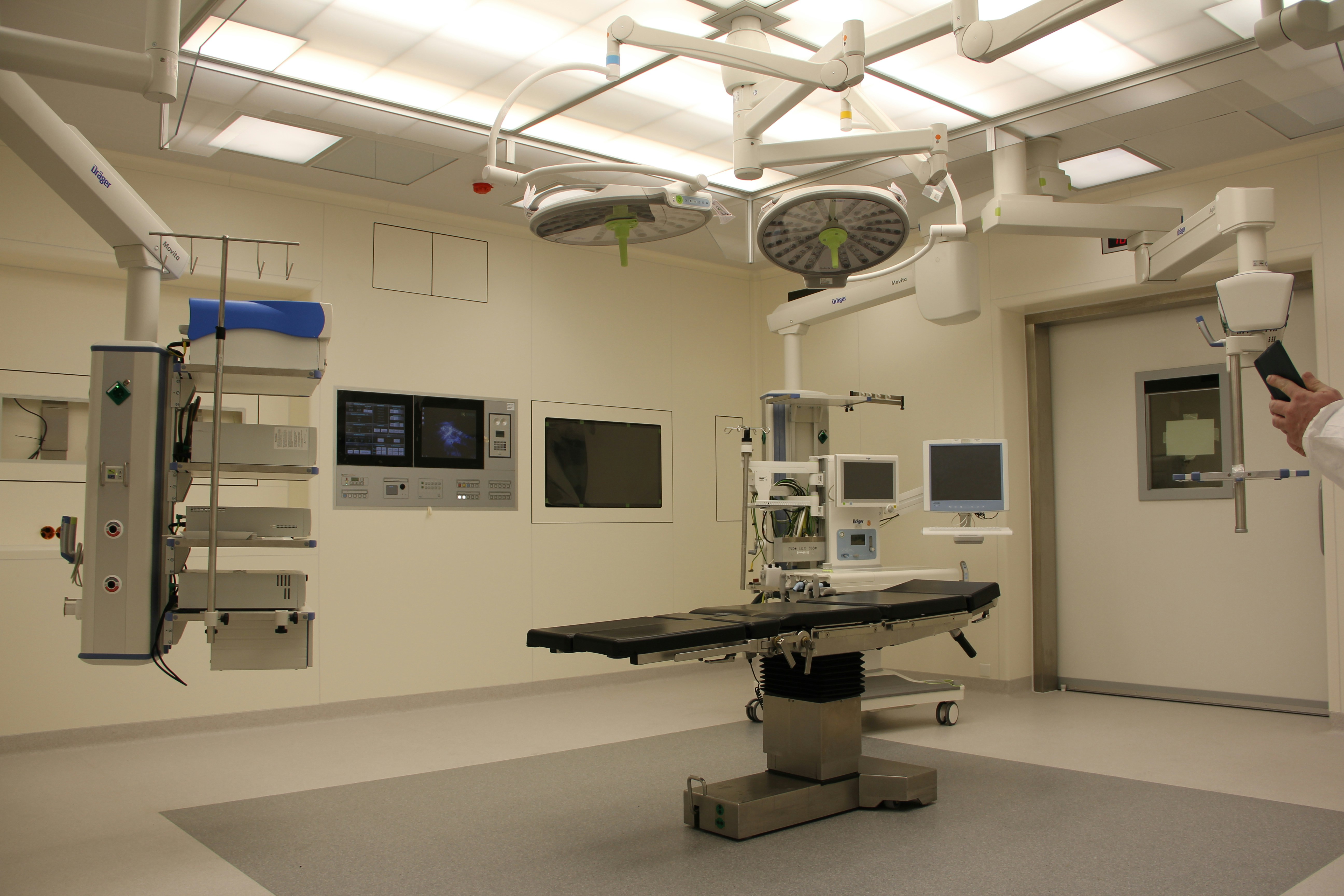
Digitize patient management by centralizing appointments, inquiries, OPD/IPD workflows, and communication—reducing manual work and improving patient experience through Zoho CRM.

A technology services firm organised into five business units needed one HR, recruitment and payroll platform across all of them — without flattening five operating cultures into a single workflow. The answer was permission architecture rather than process standardisation.

An infrastructure engineering consultancy wanted a new engineer's first year to be a structured capability build rather than a waiting period. Interloop designed a 52-week learning outcome framework inside the HR platform itself.

In a healthcare technology environment, equipment and the access that travels with it warrant a documented chain of custody. Interloop built asset lifecycle and employee transfer as first-class modules, each with an owner, a trail and a defined effect on the employee record.

A fast-scaling edtech company wanted its recruitment platform first. Interloop recommended building it third, behind core HR and payroll, and set out the reasoning. The sequencing argument is the most transferable part of this engagement.

Six employment instruments — each configured, automated and routed through e-signature. For this organisation, the document set was not administration around the employment relationship. It was the structure of it.

Convention stages payroll behind core HR. For a compact technical organisation, Interloop recommended a single simultaneous cutover — and set out the condition that made it the better choice.

A single-platform engagement built around one structural idea: a separate requisition form, approved by the company owners, gating every job opening — so the headcount decision happens before sourcing effort begins.

Convention places appraisal configuration in a later phase. For a financial services group, Interloop built it in the first — because in this sector the performance record is a working document rather than an annual one.

For a multi-outlet destination running rotating shifts, attendance configuration is payroll configuration. Interloop defined how each shift type converts to pay before building the shifts themselves.

No recruitment module, no performance management. One structural idea instead: internal movement built as an approved event that updates the employee record directly, rather than a change several people each act on.
A full timesheet architecture and no attendance module. The most instructive part of this engagement is what was deliberately left out, and why Interloop did not propose it.
A build tracking both attendance and project time — which raises a question most implementations leave open. Interloop settled the precedence rule at design time, before either system went live.

Core HR, attendance, timesheet and performance management delivered in a single phase — with the contingency spent on adoption rather than on sequencing, and modules introduced by how often people would use them.